Getting fit is one of the most common goals people set for themselves, yet many abandon their efforts within weeks. The reason is rarely a lack of motivation — it's almost always a lack of realistic goal-setting. When your targets are too ambitious, progress feels slow, setbacks feel catastrophic, and giving up feels like the only sensible option.
The problem with "go big or go home"
There's a cultural obsession with dramatic fitness transformations. Social media is full of before-and-after photos that make radical change look both easy and fast. The reality is that sustainable fitness progress takes time, and trying to fast-track it often leads to injury, burnout, or both. Setting goals that are too aggressive doesn't make you more committed — it makes failure more likely.
What makes a goal realistic?
A realistic fitness goal is one that accounts for your current fitness level, lifestyle, and available time. If you haven't exercised in years, committing to six gym sessions a week is setting yourself up for disappointment. A more reasonable starting point might be two or three sessions per week, with gradual increases over time. Specificity also matters. "Get fit" is vague and unmeasurable, while "run 5km without stopping in 12 weeks" gives you something concrete to work towards.
Short-term goals build long-term habits
One of the most effective strategies for staying on track is breaking larger goals into smaller, short-term milestones. Rather than fixating on losing 15 kilograms, focus on consistently showing up to exercise three times a week for a month. These smaller wins build confidence and momentum, which are far more valuable than the number on a scale. Over time, consistent behaviour produces results that no crash programme can sustain.
How to adjust when things don't go to plan
Life happens. Illness, work pressure, and family commitments will inevitably disrupt even the most carefully planned fitness routine. The key is to treat these disruptions as temporary rather than as proof that you've failed. Adjusting your goals in response to changing circumstances is not weakness — it's smart planning. A two-week break from the gym doesn't erase months of progress; abandoning your goals entirely does.
The role of professional guidance
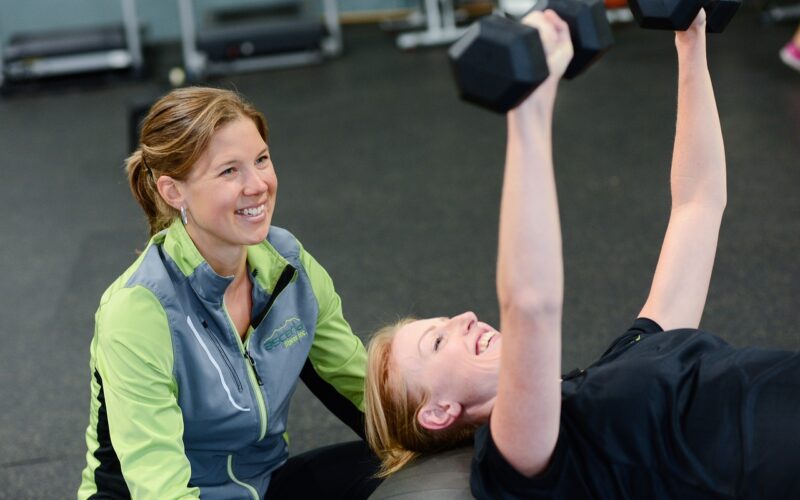
If you're unsure how to set appropriate goals for your current fitness level, working with a personal trainer or exercise physiologist can be genuinely useful. These professionals can assess your baseline fitness, identify any physical limitations, and help you build a programme that challenges you without overwhelming you. Even a single consultation can save months of trial and error.
Moving forward with confidence
Choosing reasonable fitness goals isn't about lowering your standards — it's about giving yourself the best possible chance of success. Start with what's achievable, celebrate incremental progress, and build from there. The people who sustain long-term fitness aren't always the most talented athletes; they're the ones who kept showing up, week after week, because their goals were grounded in reality.